Community Action Advisory Council

Understanding & Planning

While our Governing Board oversees and approves CSC business and operations, our Community Action Advisory Council (CAAC) consults with our leadership team and makes suggestions for programs and changes, community needs, agency priorities and more.

What does the CAAC do?

The CAAC plays an essential role in understanding and planning for the needs of low-income individuals and households in the counties we serve. The CAAC is responsible for assuring that CSC continues to assess and respond to the causes and conditions of poverty in the tri-county area; achieves anticipated outcomes; and remains actively committed to its vision and mission.

The CAAC is a tripartite board, equally comprised of persons with low incomes, business and other major community sectors, and local elected officials.

CAAC Member Requirements

During the course of the year, CAAC members:

  • Help shape and review CSC’s strategic and action plans;
  • Give input to and review the Annual CSC Impact Report and other guiding documents;
  • Scan their communities for opportunities and needs; and,
  • Actively champion the agency and its objectives. This may include assisting in delivering presentations about CSC programs and services, promoting and publicizing the work CSC does, and/or seeking and promoting opportunities for CSC and the low-income communities it serves.

Other CAAC Expectations

CAAC members are also expected to:

  • Attend and participate actively in meetings. The CAAC typically meets 4 times a year for 2-3 hours during a weekday convenient to the current members, and receives an additional 2-3 hour orientation and training on unique aspects of CSBG compliance;
  • Maintain awareness of the needs of the community and community programs and services in anti-poverty areas;
  • Promote the objectives of CSC and its programs through advocacy in public forums, such as community meetings and legislative hearings;
  • Exercise care in distinguishing between the member’s personal opinions and the positions of the CAAC and the agency when speaking in public.

Community Action Advisory Council Members

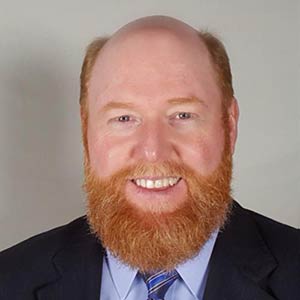
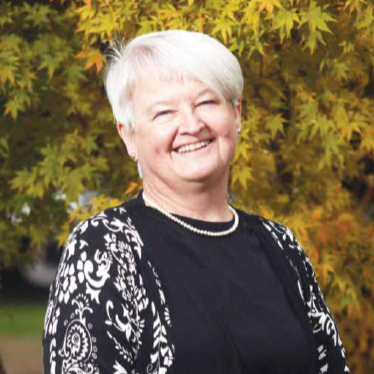
Photo Name Position County Employment
Vince Adams Vince Adams Chair Benton County Board Development Specialist, Oregon School Boards Association
Dorsette CAAC Jason Dorsette Vice Chair Linn County President, NAACP Corvallis-Albany Branch
M. Naucler CAAC Mitzi Naucler Member Linn County Retired Regional Director, Legal Aid Services of Oregon
Frederick Edwards CAAC Frederick Edwards Member Linn County President, Knight Vision Security and CEO, Faith, Hope & Charity
krockwell-2-150x150 Karen Rockwell Member Lincoln County Executive Director, Housing Authority of Lincoln County
Nancy Greenman Nancy Greenman Member Linn County Community advocate and volunteer
Stephanie Linn Member Lincoln County Owner, KSHL Radio
Sharon Thornberry Member Benton County Executive Director, Philomath Community Services
Alejandra (Ali) Sanchez Member Benton County Board President, Casa Latinos Unidos
Jess Bowlin Member Linn County Operations Coordinator, Kidco Head Start
Anna Powell Member Benton County Section 8 Occupancy Supervisor, Linn-Benton Housing Authority
Marilyn Smith Member Linn County Albany City Councilor
William Hays Member Lincoln County Linn Benton Lincoln Educational Service District (LBLESD)

We're Here to Help.

In partnership with a caring community, we help people in Linn, Benton, Lincoln, and Polk counties to access tools and resources to overcome poverty and build brighter and more stable futures.